
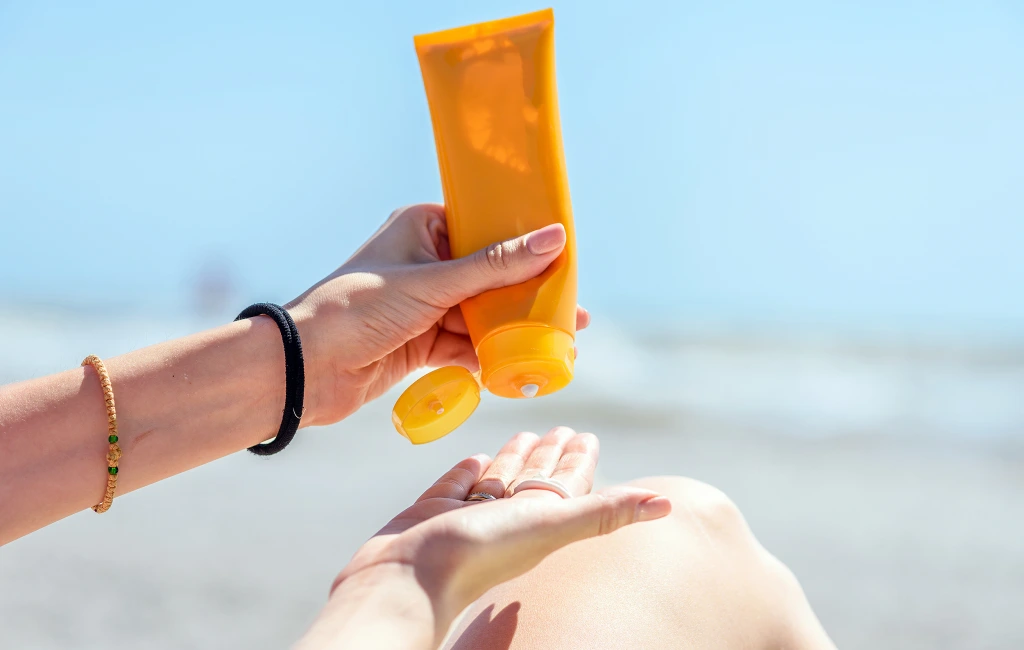
Most of us grab a bottle of sunscreen before a beach trip or a long day outside. We know it’s important, but how well do we really understand what it does and, more importantly, how to use it correctly?
It turns out there’s a lot of confusing information out there, from what those acronyms mean to whether you even need it on a cloudy day. The truth is simple: sun protection is essential for everyone, every day. It’s the absolute best defense against premature aging, visible damage, and, most importantly, skin cancer.
Ready to ditch the myths and get the facts? Let’s dive into the core concepts that can transform your skincare routine.
UVA vs. UVB: The Two Types of Sun Rays
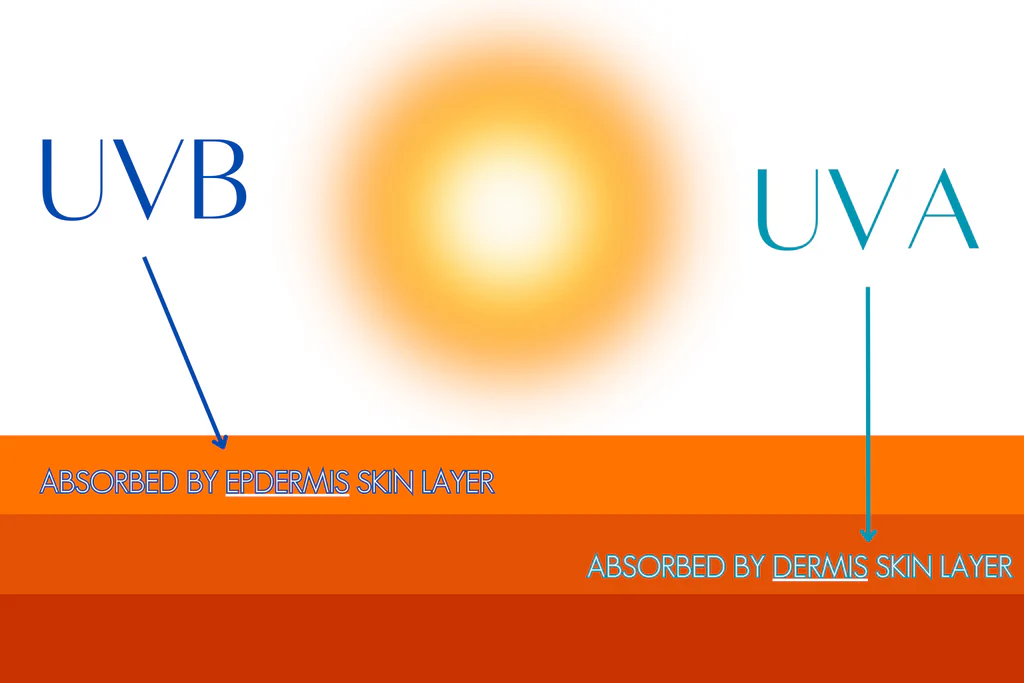
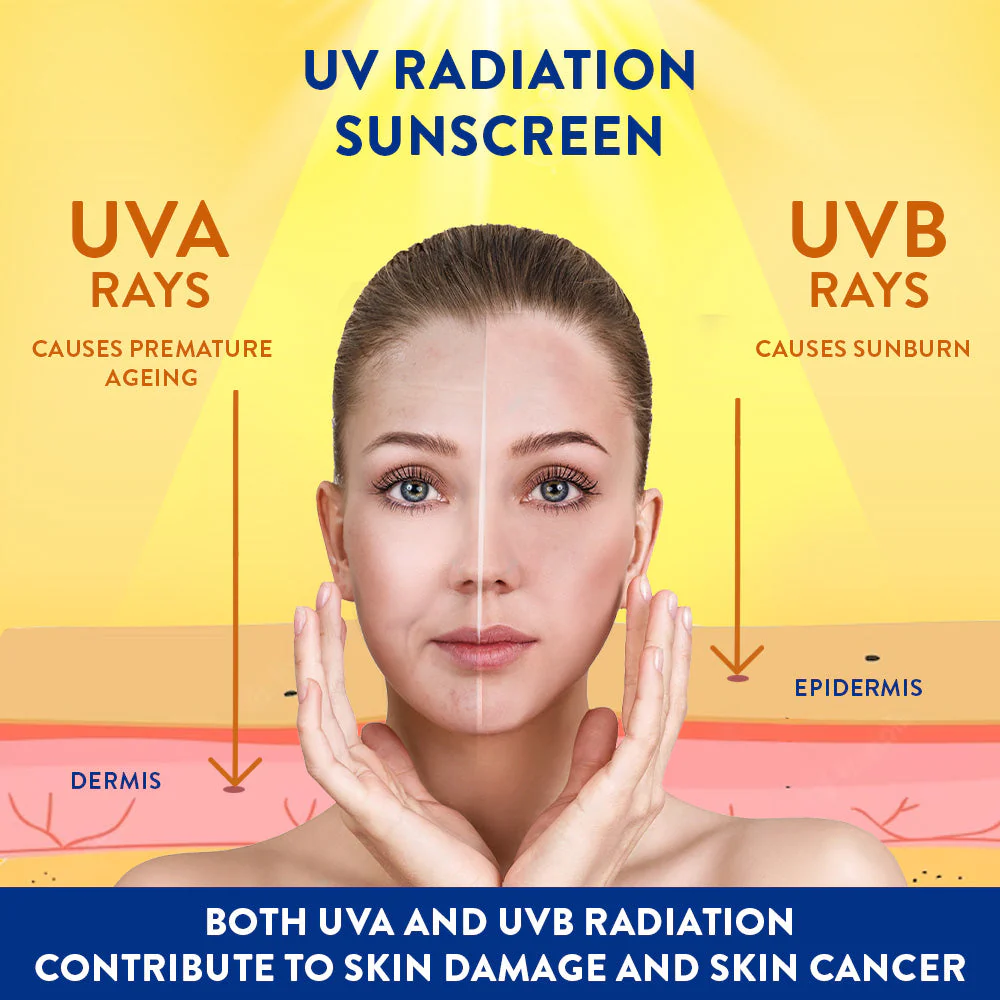
When you look at a bottle of sunscreen, you’ll often see the term “Broad Spectrum.” This is your first major clue. It means the product protects you from two different types of ultraviolet (UV) radiation:
- UVB Rays (The Burning Rays): These are the ones we typically associate with a sunburn. They primarily affect the outer layer of your skin (the epidermis) and play a strong role in causing skin cancer. Think of the “B” in UVB as standing for “Burn.”
- UVA Rays (The Aging Rays): These rays have a longer wavelength, allowing them to penetrate deep into your skin’s inner layer (the dermis). They are the main culprits behind fine lines, wrinkles, and dark spots. Critically, UVA rays can also pass through clouds and glass, which is why experts insist on year-round, indoor protection. Think of the “A” in UVA as standing for “Aging.”
A broad-spectrum formula ensures you’re shielded from both, giving you comprehensive protection.
Decoding SPF: What Does the Number Mean?
The Sun Protection Factor (SPF) rating on your bottle measures protection primarily against those UVB rays. Here’s a quick breakdown of what the numbers translate to:
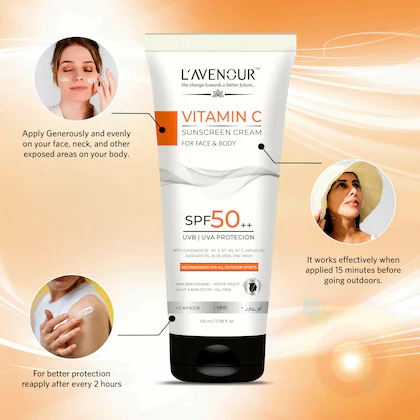
- SPF 15 blocks about 93% of UVB rays.
- SPF 30 blocks about 97% of UVB rays.
- SPF 50 blocks about 98% of UVB rays.
As you can see, the difference between SPF 30 and SPF 50 is incredibly minimal—just one percentage point! This is an original insight that many people miss: choosing a super-high SPF might give you a false sense of security, encouraging you to stay outside longer without reapplying.
The expert consensus? An SPF 30 is sufficient for daily use, provided you apply the correct amount and, most importantly, reapply often.
Chemical vs. Mineral: Choosing Your Formula
Sunscreen ingredients are generally split into two camps based on how they work:
1. Physical (Mineral) Sunscreens
These formulas use active ingredients like Zinc Oxide and Titanium Dioxide. They work by sitting on top of the skin like a shield, literally reflecting the UV rays away.
- Pro: They offer immediate protection upon application and are generally considered less irritating, making them a great choice for sensitive or acne-prone skin.
- Con: They can sometimes leave a white cast on the skin, although modern formulations are much better at blending.
2. Chemical Sunscreens
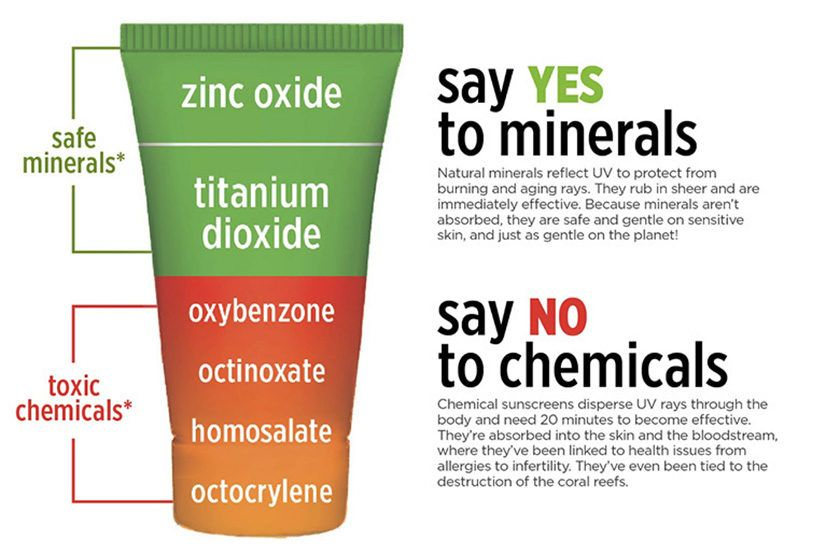
These use carbon-based compounds, such as avobenzone or oxybenzone, which are absorbed into the skin. They work by converting UV radiation into heat, which is then released from the skin.
- Pro: They are typically lighter, easier to spread, and absorb without leaving a visible residue.
- Con: They need about 15 to 20 minutes to fully soak in before you go outside, and the ingredients can sometimes cause irritation for very sensitive skin types.
Neither type is inherently “better”; the best sunscreen is the one you will actually use every single day.
Application Matters: The Golden Rules of Use
You could buy the most expensive, highly rated sunscreen in the world, but if you don’t use it right, you’re still exposed. This is where most people make mistakes.
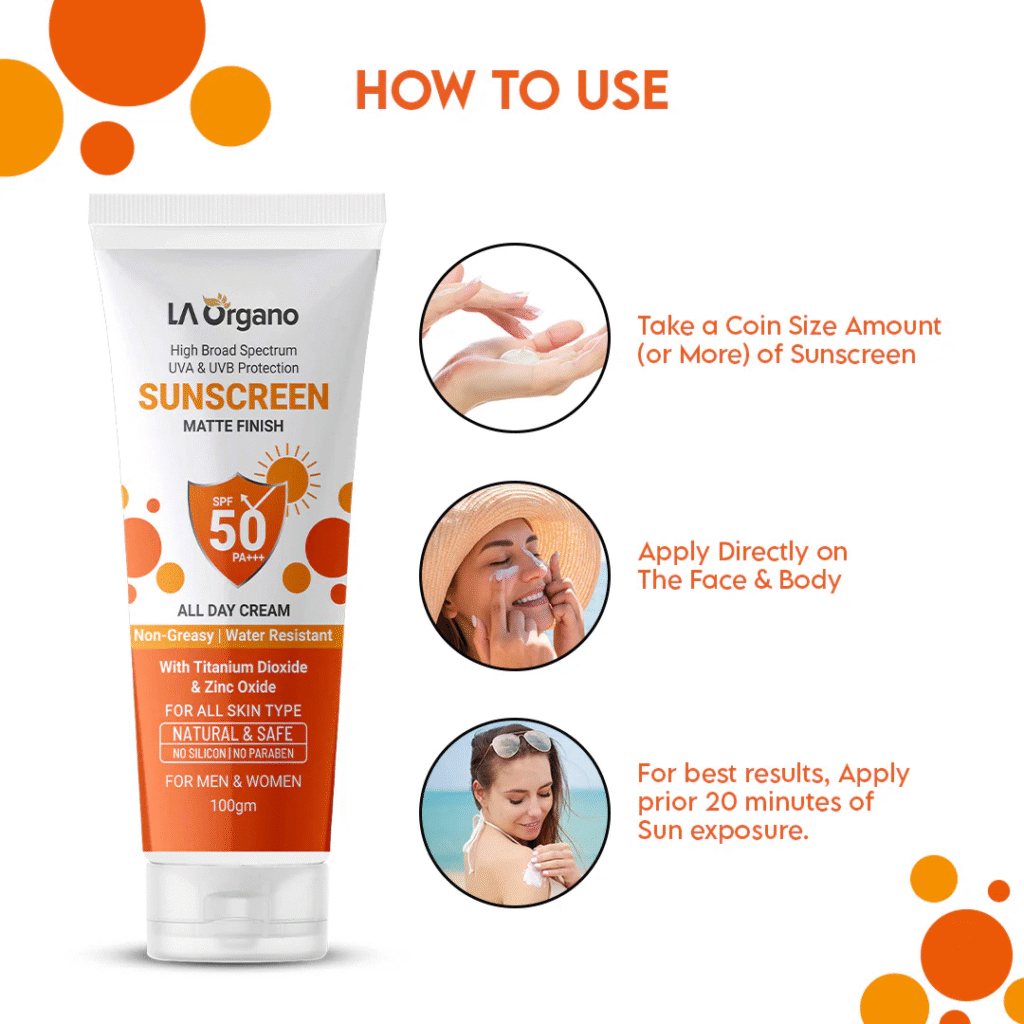
Rule 1: Use Enough of It
The standard recommendation for your face and neck alone is about a quarter teaspoon of product. For your whole body, you need roughly one ounce, which is enough to fill a standard shot glass. Most people use far less than this, significantly lowering the stated SPF protection.
Rule 2: Reapplication is Non-Negotiable
This is arguably the most crucial point. Sunscreen breaks down over time, especially when exposed to light, heat, water, or sweat. You should reapply every two hours religiously. If you’re swimming or heavily sweating, reapply immediately after toweling off, even if the label says “water-resistant.”
Rule 3: Don’t Stop When It’s Cloudy or Cold
Remember those UVA rays that penetrate glass and clouds? Up to 80% of UV radiation can pass right through an overcast sky. This is why you must treat sun protection as the final, essential step of your morning skincare routine, every single day, no matter the forecast.
Protecting your skin isn’t just a summer chore; it’s a critical investment in your long-term health and appearance. By understanding the difference between UVA and UVB, prioritizing broad-spectrum SPF 30, and committing to proper reapplication, you’re giving your skin the defense it deserves.
| Skin Type | Best Sunscreen Consistency/Finish | Key Ingredients to Look For | Why It Works |
| Oily or Acne-Prone | Gel, Fluid, or Lightweight Lotion with a Matte Finish. | Oil-Free, Non-Comedogenic, Niacinamide, Zinc Oxide (physical filters). | These formulas control shine, won’t clog pores, and are less likely to cause irritation or breakouts. |
| Dry or Mature | Rich Cream or Hydrating Lotion with a Dewy Finish. | Hyaluronic Acid, Ceramides, Glycerin, Aloe Vera. | They lock in essential moisture, preventing flakiness and ensuring the skin barrier stays healthy and supple. |
| Sensitive | Mineral (Physical) Sunscreen in a Lotion or Stick. | Zinc Oxide, Titanium Dioxide. Avoid Fragrance and excessive chemicals. | Mineral filters sit on top of the skin and are much less likely to trigger redness, stinging, or allergic reactions. |
| Combination | Lightweight Fluid or Hybrid (Chem/Min) Sunscreen. | Hyaluronic Acid (for dry patches) and Niacinamide (for oil control). | These balance the needs of both the T-zone and the cheeks, offering comprehensive, non-greasy protection. |
Beyond the Bottle: Sun Protection Habits That Matter
Sunscreen is a powerful tool, but it’s just one piece of the sun safety puzzle. To truly minimize your risk of photo-aging and skin damage, you need a holistic approach.
1. Timing is Everything
Did you know the sun is strongest when it’s highest in the sky? Always try to seek shade between the hours of 10 a.m. and 4 p.m. This simple habit drastically reduces your exposure to the most intense UV radiation of the day.
2. Don’t Forget the Little Spots
Sun damage loves to sneak into forgotten areas. Make a conscious effort to apply a high-SPF product to:
- The tops of your ears
- The back of your neck
- Your lips (use an SPF lip balm!)
- The tops of your hands and feet
- Your scalp or hair part (a spray or powder sunscreen works well here)
3. The Truth About “Waterproof”
You will no longer see the term “waterproof” on sunscreen labels—and for good reason! The FDA now requires sunscreens to be labeled as either “Water Resistant (40 Minutes)” or “Very Water Resistant (80 Minutes).”
This is an important original insight: that time limit means the product is only guaranteed to maintain its SPF level for that duration while swimming or sweating. Once that time is up, you must reapply!
Expert Picks: Sunscreen Guide & Where to Buy
To get you started, here is a breakdown of different, highly-rated sunscreen categories currently available, their approximate price points, and common online availability.
Note: Prices and availability are estimates and can vary based on retailer, sales, and country.
| Product Category Example | Target Skin Type | Estimated Price Range (USD) | Key Benefit & Finish | Common Online Availability |
| EltaMD UV Clear SPF 46 | Acne-Prone, Sensitive, Rosacea | $35 – $40 | Lightweight, sheer, and formulated with Niacinamide to calm skin. | Dermatologist Offices, Amazon, Specialty Skincare Sites |
| Supergoop! Unseen Sunscreen SPF 40 | All Skin Types (Excellent for Makeup Primer) | $34 – $38 | Clear, weightless gel that dries down completely matte and invisible on all skin tones. | Sephora, Brand Website, Amazon |
| CeraVe Hydrating Mineral Sunscreen SPF 30 | Dry, Sensitive, Budget-Friendly | $15 – $20 | 100% Mineral formula infused with Ceramides and Hyaluronic Acid to restore moisture. | Drugstores (CVS, Walgreens), Amazon, Target |
| La Roche-Posay Anthelios Melt-In Milk SPF 60 | Body, Outdoors, Extended Exposure | $20 – $25 | Fast-absorbing, velvety texture that is highly water-resistant and suitable for face and body. | Drugstores, Amazon, Brand Website |
| Black Girl Sunscreen SPF 30 | Darker Skin Tones (No White Cast) | $15 – $18 | Chemical formula that rubs in completely clear, providing hydration and zero white residue. | Target, Walmart, Amazon, Brand Website |
The Last Word: Consistency is Protection
The most significant takeaway is this: sunscreen is your non-negotiable health insurance for your skin. Whether you choose a zinc stick, a sheer fluid, or a moisturizing cream, commit to applying a broad-spectrum formula with an SPF of 30 or higher every morning.
#BeautyTips #SkincareRoutine #MakeupLover #NaturalBeauty #GlowingSkin #SelfCare #CleanBeauty #BeautyGoals #HairCare #MakeupAddict #BeautyHacks #SkinCareGoals #InstaBeauty #carrerbook#Anslation#BeautyTrends #HealthySkin #MakeupInspiration #FaceCare #BeautyRoutine #CrueltyFreeBeauty #RadiantSkin